
When is it Necessary to Remove a Tree? Signs You Can't Ignore

June 26, 2026

Share this article

Trees are a vital part of our ecosystem, providing beauty, shade, and habitat for wildlife. Nevertheless, there are instances where removing a tree is unavoidable. Knowing when to remove a tree can prevent damage to property and ensure the safety of those around. At Lamb Family Tree Care, LLC, we understand the importance of making informed decisions about tree removal. Here are some critical signs you can't ignore when it comes to determining the right time for tree removal.

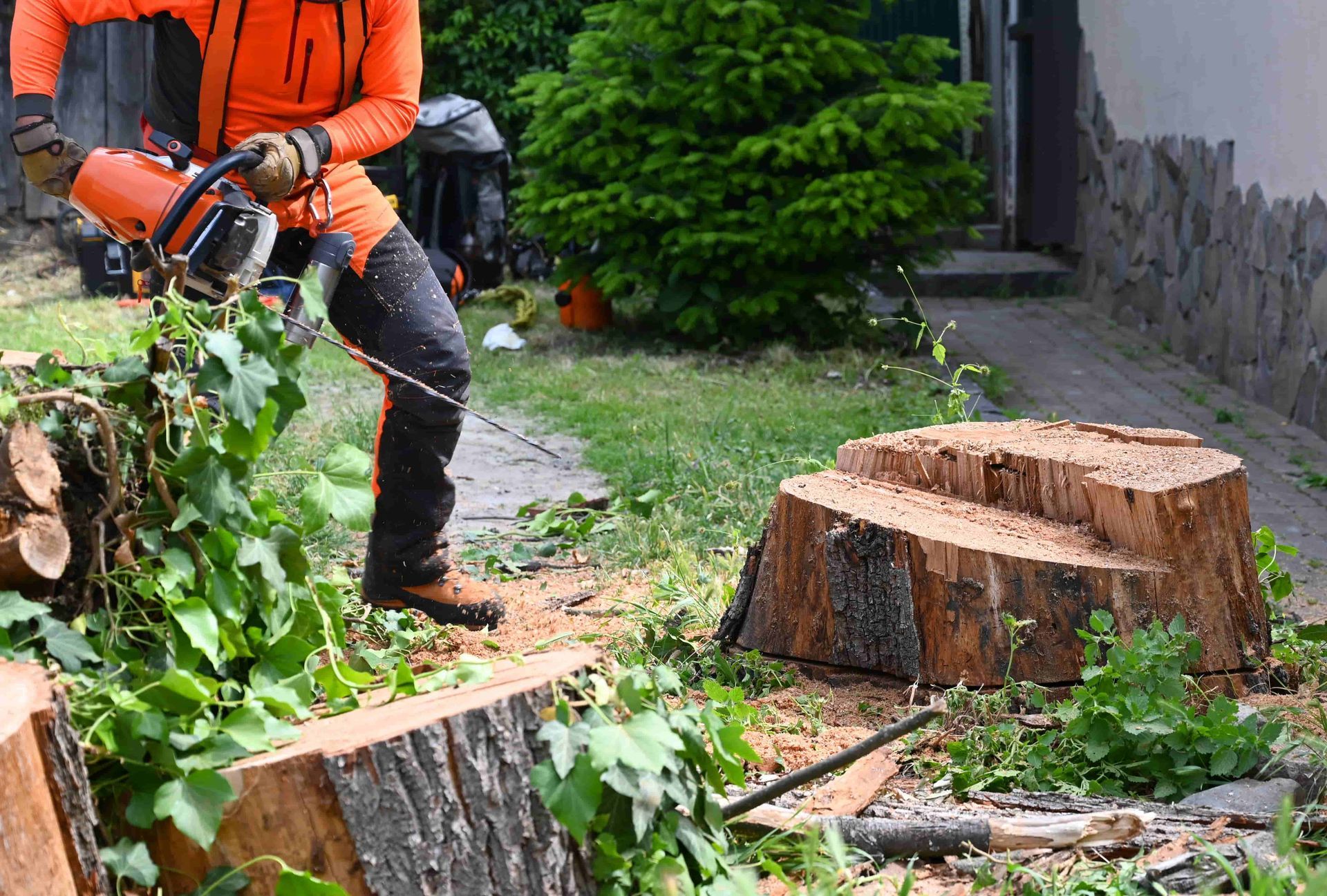
Person using a chainsaw to cut branches beside tree stumps in a yard

1. Signs of Disease and Decay

One primary cause for tree removal is illness. A diseased tree can pose significant risks as it can become weak and unstable. Look for the following signs that may indicate a tree is diseased:


  • Fungal Growth: The presence of fungi, such as mushrooms growing at the base of the tree, is a clear sign of internal decay. Fungal growth suggests that the tree's structural integrity is compromised.
  • Dead or Falling Branches: If you notice dead branches or limbs falling frequently, the tree may be struggling to maintain its health. Dead branches can fall without warning, posing a danger to people and property below.
  • Discolored or Wilting Leaves: Leaves that are discolored, wilting, or falling out of season may indicate that the tree is not getting the nutrients it needs. This could be due to root problems, disease, or pest infestations.
  • Bark Abnormalities: Cracks, splits, or missing bark can signify that the tree is suffering. When the bark is peeling or falling off in large sections, the tree may be dead or dying.

2. Structural Instability

A tree's structure is critical to its ability to withstand wind, storms, and other environmental factors. Structural instability can lead to catastrophic failures. Here are some signs that a tree might be structurally unsound:

  • Leaning Tree: A tree that suddenly starts leaning to one side is a cause for concern. This could be due to root damage or weakening of the soil holding the tree in place.
  • Visible Roots: Exposed roots or roots that are heaving out of the ground can indicate that the tree is losing its stability. This is particularly dangerous during storms when high winds can easily topple an unstable tree.
  • Cracked or Splitting Trunk: A trunk that is cracked or splitting can signify severe internal damage. This kind of damage compromises the tree's ability to support itself and can lead to unexpected falls.

Types of Pruning Cuts

Understanding the different types of pruning cuts is essential for effective tree maintenance. Here are the primary pruning cuts used in tree care:


  • Thinning Cuts: Thinning involves removing branches back to the point of origin or to another branch. This technique is used to reduce the density of the tree's canopy, improving light penetration and air circulation.
  • Reduction Cuts: Reduction cuts shorten the length of a branch back to a lateral branch large enough to assume the terminal role. This method is used to reduce the height or spread of the tree, ensuring the remaining branch can support the reduced foliage.
  • Heading Cuts: Heading cuts involve cutting back the terminal portion of a branch to a bud. This encourages dense growth at the cut site and is often used in shrubs rather than mature trees.
  • Clean Cuts: Clean cuts are made to remove dead, damaged, or diseased branches. It’s important to make these cuts cleanly to promote quick healing and minimize the risk of infection.

3. Proximity to Structures

Trees planted too close to buildings, power lines, or other structures can cause a variety of problems. It's essential to assess the location of your trees to determine if they pose a threat to nearby structures.

  • Root Damage to Foundations: Tree roots can grow and extend far beyond the tree itself. If a tree is too close to a building, its roots can damage foundations, sidewalks, and driveways, leading to costly repairs.
  • Interference with Power Lines: Trees growing near power lines can cause power outages, fires, and other hazards. Utility companies often trim trees near power lines, but in some cases, removal might be the safest option.
  • Overhanging Branches: Branches that overhang roofs, gutters, and windows can cause significant damage during storms. Falling branches can break windows, damage roofs, and block gutters, leading to water damage.

4. Pest Infestations

Pests can wreak havoc on trees, leading to structural damage and disease. Identifying and addressing pest problems early can sometimes save a tree, but in severe cases, removal might be necessary.


  • Insect Damage: Signs of insect damage include holes in the bark, sawdust-like material around the base, and visible insects such as beetles or borers. These pests can weaken the tree and make it more susceptible to disease and decay.
  • Animal Damage: Animals such as squirrels and birds can also damage trees. Look for nests, chewed bark, and other signs of animal activity that might be harming your tree.
  • Spread of Infestation: If a pest infestation is not contained, it can spread to other trees in your yard or neighborhood. Removing an infested tree can help protect other trees and plants from being affected.

5. Safety and Liability Concerns

Ultimately, the safety of your family, property, and community should be the top priority. Here are some situations where tree removal is necessary for safety reasons:


  • Risk of Falling: A tree that poses a high risk of falling due to disease, structural instability, or storm damage should be removed immediately. A falling tree can cause severe injury or death and significant property damage.
  • Blocking Visibility: Trees that obstruct the view of drivers on roads or driveways can be hazardous. Removing such trees can improve visibility and reduce the risk of accidents.
  • Emergency Situations: After a severe storm or natural disaster, damaged trees may need to be removed quickly to prevent further damage and ensure safety.

Make the Decision to Remove a Tree With Lamb Family Tree Care LLC

If you notice any of these signs or have concerns about the health and safety of your trees, don't hesitate to contact Lamb Family Tree Care LLC. Our team of experienced professionals can assess your trees and provide expert advice on whether removal is necessary. We offer comprehensive tree care services, including tree removal, tree trimming, tree planting, and tree fertilization.


Call us today at (860) 752-0488 to schedule a consultation. Protect your property and ensure the safety of your family with Lamb Family Tree Care, LLC.

FAQs

  • How Do I Know if a Tree Needs to Be Removed?

    Signs that a tree needs to be removed include disease, structural instability, proximity to structures, pest infestations, and safety concerns. If you notice any of these issues, it's best to consult with a professional tree service.

  • Can a Diseased Tree Be Saved?

    There are cases where a diseased tree can be saved with proper care. However, if the disease is too advanced or poses a significant risk, removal might be the safest option. A professional arborist can provide a diagnosis and recommend the best course of action.

  • How Much Does Tree Removal Cost?

    The expense of tree removal is determined by the tree's dimensions, its position, and the challenges involved in removing it. Contact Lamb Family Tree Care, LLC for a personalized quote.

  • What Should I Do if a Tree Falls on My Property?

    If a tree falls on your property, ensure everyone's safety first. Avoid going near the tree and contact a professional tree removal service immediately. Lamb Family Tree Care, LLC offers emergency tree removal services to address urgent situations.

  • Is Tree Removal Covered by Homeowners Insurance?

    Tree removal expenses might be covered by your homeowners insurance if the tree falls because of a covered incident, like a storm. It's advisable to check your policy to confirm coverage.

Recent Posts

June 26, 2026
Learn how emergency tree services protect your property after storms. Contact us for prompt and safe tree removal!
June 26, 2026
Hiring pros for tree care boosts safety & health. Save time & stress with expert pruning. Contact us for your tree needs!
June 26, 2026
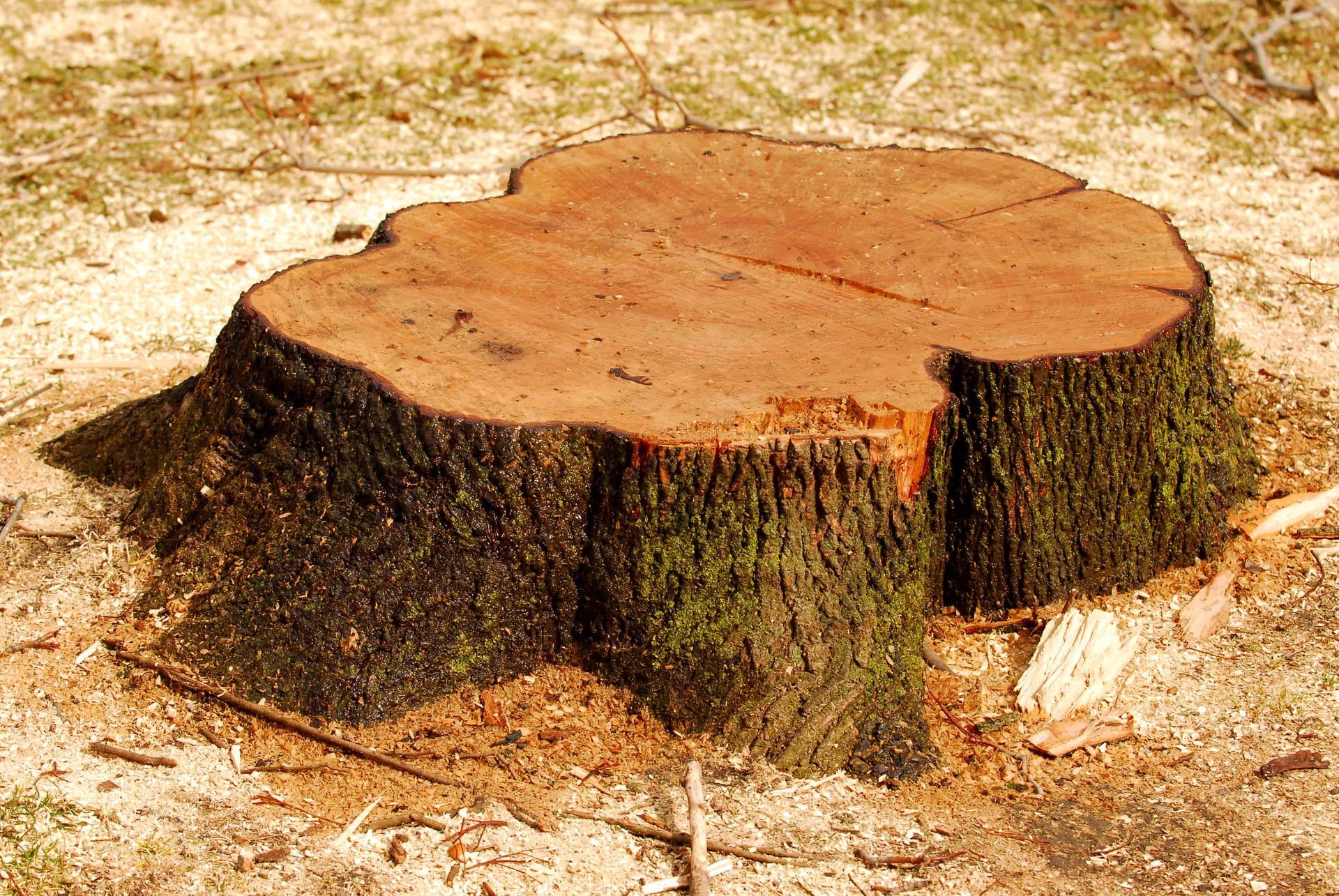
Stump grinding is key after tree removal for safety & aesthetics. Contact us for efficient, professional services today!
June 26, 2026
Professional tree planting ensures strong growth & health. Contact us for expert care and guidance on your trees today!
June 26, 2026
Choose the right tree service for your property. Ensure tree health & safety with expert care. Contact us for professional assistance!
June 26, 2026
Learn essential tree trimming & pruning techniques for seasonal growth. Contact Lamb Family Tree Care for expert tree services today!
June 26, 2026
Regular tree care is vital for a healthy landscape. Trust our experts for safe & efficient tree maintenance. Contact us today!
June 26, 2026
Learn how tree nutrient services boost health & longevity. Contact Lamb Family Tree Care for expert fertilization solutions!
June 26, 2026
Ensure your trees thrive with expert planting & organic fertilization. Contact us for professional tree care services today!
June 26, 2026
Learn how tree removal services protect your property during storms. Contact us for expert tree care and safety solutions.
Show More