
Proper Pruning Techniques for a Beautiful and Safe Tree

June 26, 2026

Share this article

Maintaining the health and beauty of your trees is essential not only for aesthetic reasons but also for safety. Proper pruning techniques can make a significant difference in the lifespan and structural integrity of your trees. At Lamb Family Tree Care, LLC, located in Uncasville, CT, we are committed to providing expert tree care services to ensure your trees remain safe and beautiful. In this blog post, we will explore proper tree pruning techniques, covering essential aspects such as the best time to prune, types of pruning cuts, tools required, and more.

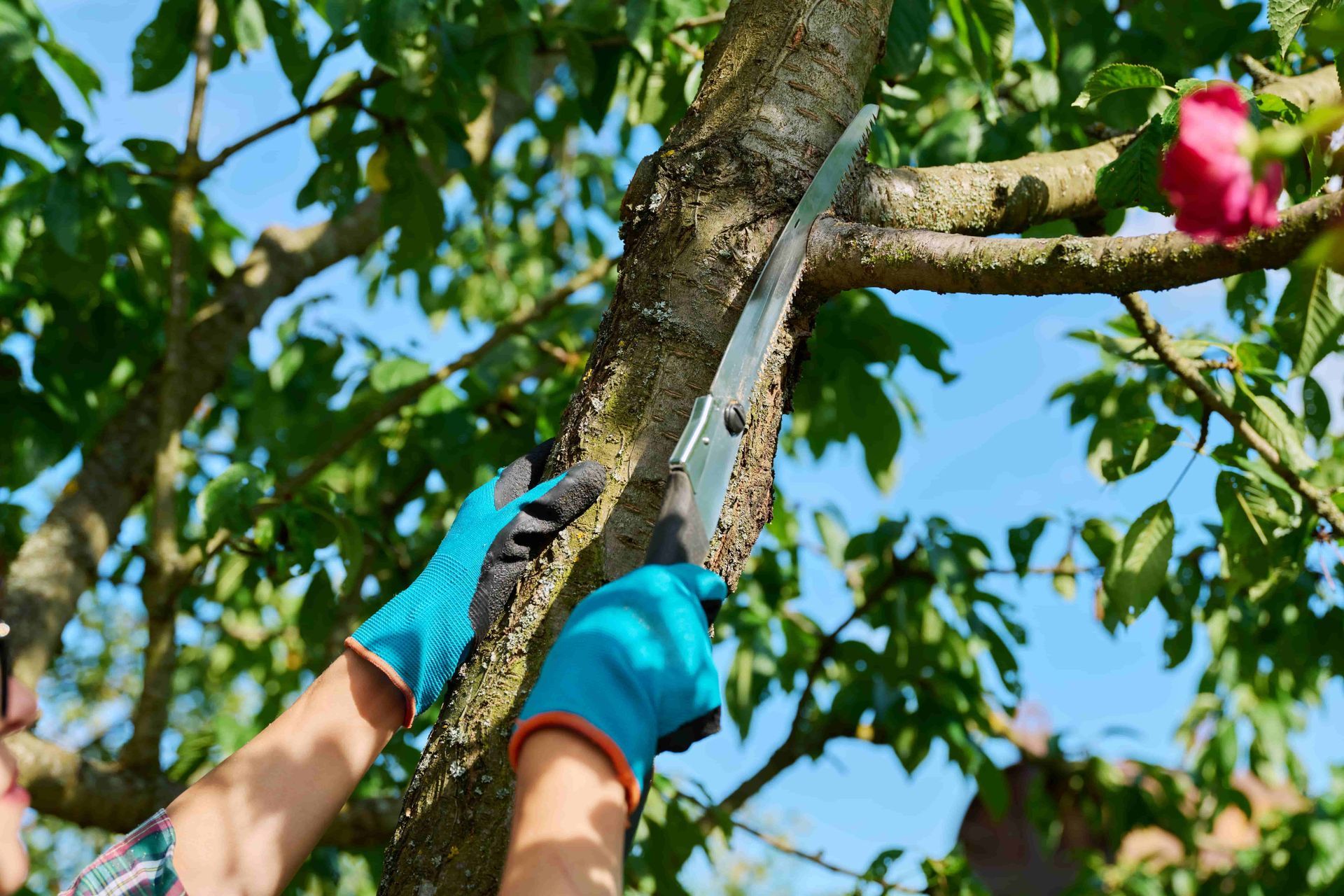
Hands in blue gloves pruning a tree branch with green leaves and a pink flower under bright sunlight

The Importance of Pruning

Pruning is more than just trimming branches to shape a tree. It is a vital tree maintenance practice that helps in:


  • Promoting Tree Health: Removing dead, diseased, or damaged branches prevents decay-producing fungi from infecting the tree. Proper pruning improves air circulation and allows sunlight to penetrate the canopy, fostering healthy growth.
  • Enhancing Safety: Overgrown branches can pose a danger to property and people. By pruning, you minimize the risk of branches falling during storms or strong winds.
  • Improving Aesthetics: Well-pruned trees enhance the visual appeal of your landscape. Shaping trees according to their natural growth pattern adds to the overall beauty of your property.
  • Encouraging Fruit Production: For fruit-bearing trees, pruning encourages the growth of spurs, which leads to higher fruit yields.

Best Time to Prune Trees

When you prune your trees matters just as much as how you prune them. Here’s a guide to help you determine the best time for pruning various types of trees:

  • Winter Pruning: Pruning during dormancy, typically in late winter, is beneficial for most trees. It leads to a vigorous burst of new growth in the spring. Since the tree is dormant, it's easier to see its structure, and the risk of pest infestation or disease is reduced.
  • Spring and Summer Pruning: Pruning in early spring before the leaves appear is ideal for some species. Light pruning and removal of dead branches can also be done in summer. However, excessive pruning during these seasons can stress the tree and make it more susceptible to pests and diseases.
  • Fall Pruning: Avoid pruning in the fall, as it can stimulate new growth that might not harden before winter, leading to damage. Moreover, fungi and diseases are more active in the fall, posing a risk to open wounds on the tree.

Types of Pruning Cuts

Understanding the different types of pruning cuts is essential for effective tree maintenance. Here are the primary pruning cuts used in tree care:


  • Thinning Cuts: Thinning involves removing branches back to the point of origin or to another branch. This technique is used to reduce the density of the tree's canopy, improving light penetration and air circulation.
  • Reduction Cuts: Reduction cuts shorten the length of a branch back to a lateral branch large enough to assume the terminal role. This method is used to reduce the height or spread of the tree, ensuring the remaining branch can support the reduced foliage.
  • Heading Cuts: Heading cuts involve cutting back the terminal portion of a branch to a bud. This encourages dense growth at the cut site and is often used in shrubs rather than mature trees.
  • Clean Cuts: Clean cuts are made to remove dead, damaged, or diseased branches. It’s important to make these cuts cleanly to promote quick healing and minimize the risk of infection.

Essential Pruning Tools

Using the right tools is crucial for effective and safe pruning. Here are some essential tools for tree pruning:


  • Hand Pruners: Hand pruners, also known as secateurs, are ideal for cutting small branches and stems up to 1/2 inch thick. They come in bypass and anvil styles, with bypass pruners being more popular for live branches.
  • Loppers: Loppers are used for cutting branches up to 2 inches in diameter. They have long handles, providing leverage to cut through thicker branches with ease.
  • Pruning Saws: Pruning saws are essential for cutting branches thicker than 2 inches. They come in various designs, including folding saws and straight saws.
  • Pole Pruners: Pole pruners are used for high branches that are out of reach. They typically have a pruning blade or saw mounted on a long pole.
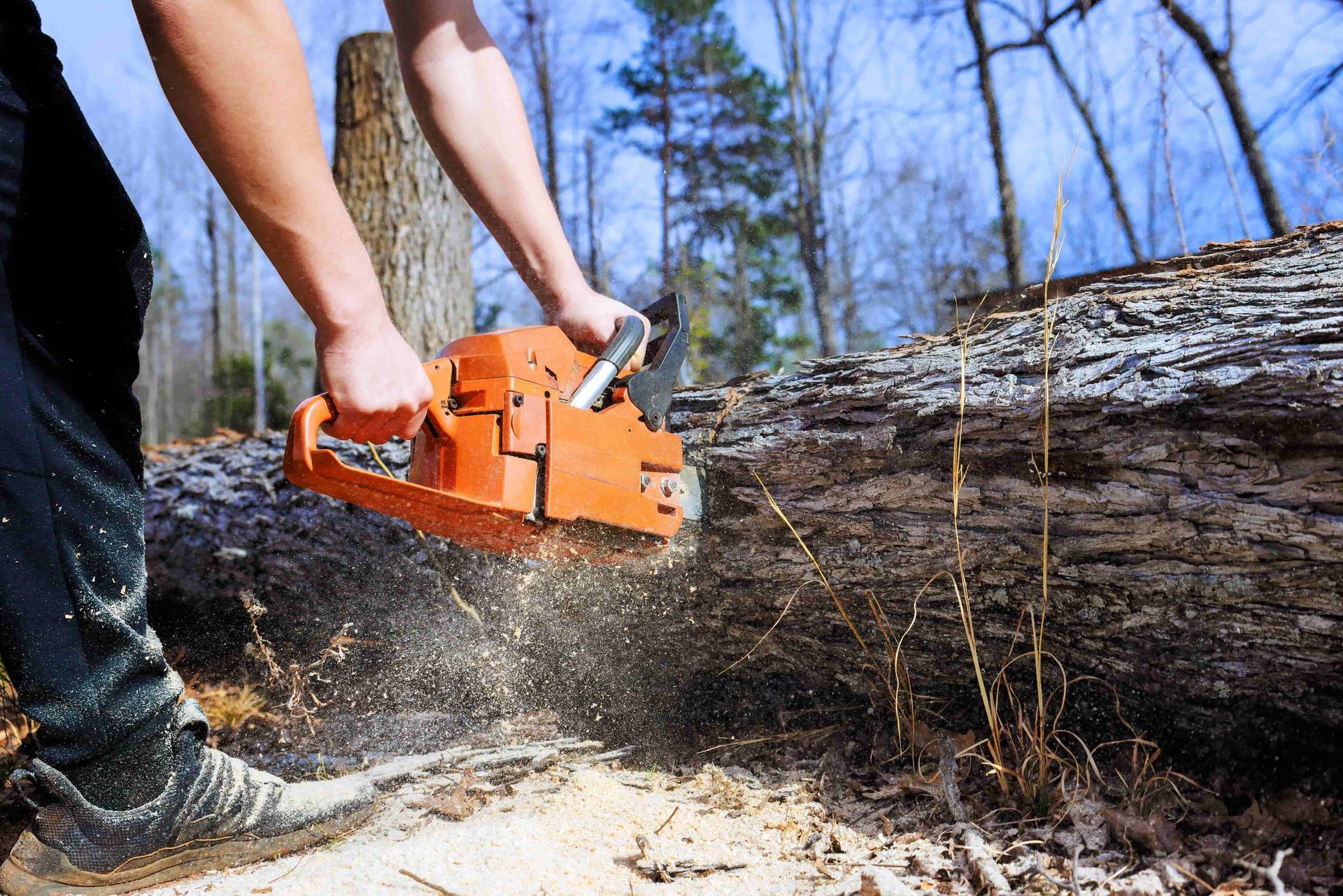
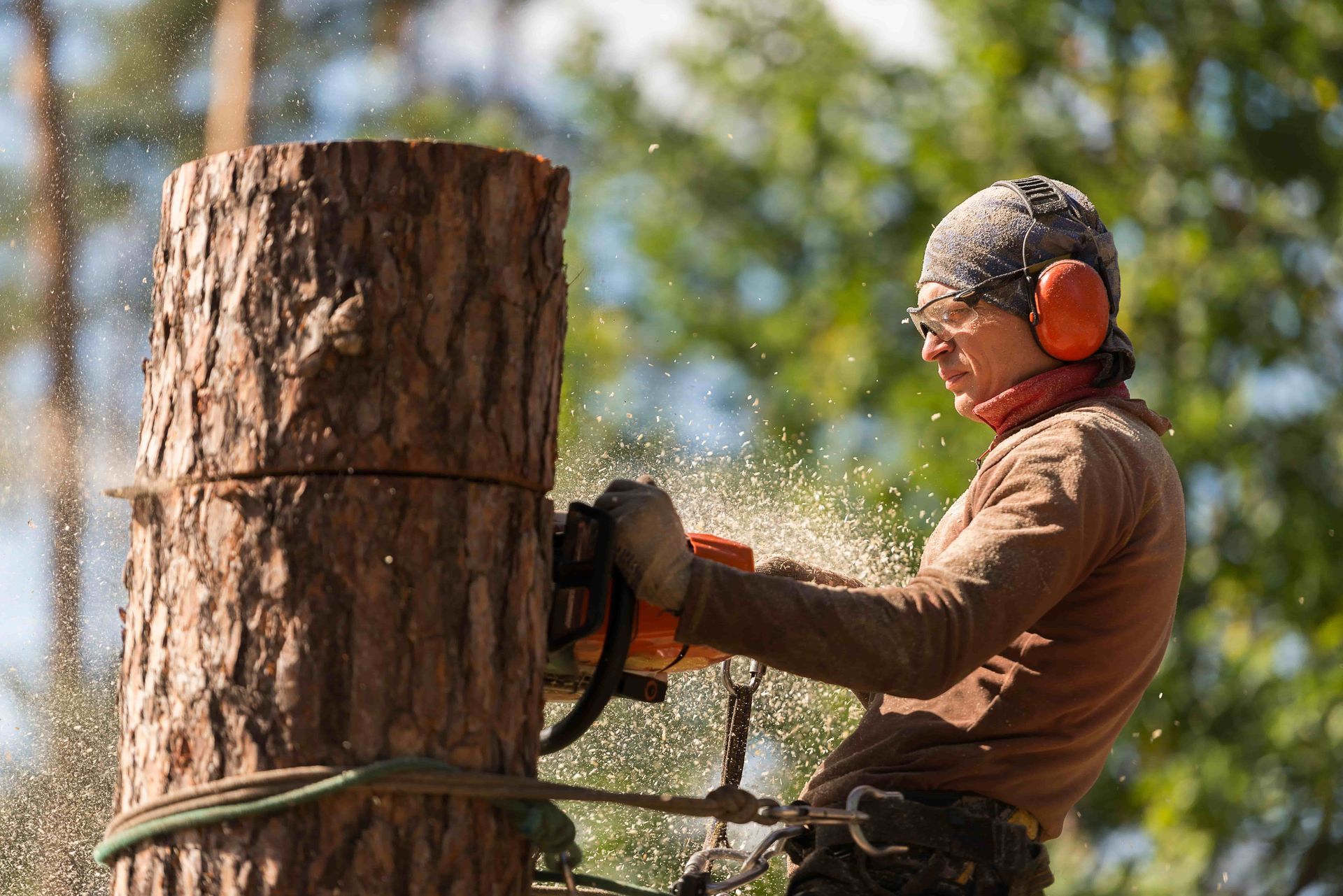
  • Chainsaws: For large trees and heavy pruning tasks, chainsaws are indispensable. However, they should only be used by trained professionals due to the risk involved.

Pruning Techniques for Different Tree Species

Not all trees respond the same to pruning. To ensure their health and beauty, each species needs its own unique approach. Here are some guidelines for pruning common tree types:


  • Deciduous Trees: Deciduous trees, such as maples and oaks, benefit from dormant-season pruning. Focus on removing dead or crossing branches and thinning the canopy to improve light and air penetration.
  • Evergreen Trees: Evergreens like pines and spruces require minimal pruning. Remove only dead or damaged branches, and prune to shape young trees for desired growth patterns.
  • Flowering Trees: For flowering trees, the timing of pruning depends on when they bloom. Prune spring-flowering trees immediately after they bloom, while summer-flowering trees should be pruned in late winter or early spring.
  • Fruit Trees: Fruit trees need regular pruning to encourage fruit production. Thin the canopy to allow light penetration and remove any dead or diseased wood.
  • Shade Trees: Shade trees, such as elms and sycamores, should be pruned in late winter or early spring. Focus on removing any weak or competing branches to develop a strong, central leader.

Contact Lamb Family Tree Care for Your Tree Needs in Uncasville

At Lamb Family Tree Care, LLC, we understand the importance of proper pruning techniques for the health and safety of your trees. Our experienced team in Uncasville, CT, is dedicated to providing expert tree care services such as tree planting, tree trimming and removal, and tree fertilization tailored to your needs. Contact us at (860) 752-0488 to schedule an appointment and let us help you maintain beautiful and safe trees on your property.

FAQs

  • How Often Should I Prune My Trees?

    The frequency of pruning depends on the tree species and its growth rate. Generally, young trees should be pruned every 2-3 years, while mature trees may only need pruning every 3-5 years. Regular inspections can help determine when pruning is necessary.

  • Can I Prune My Trees Myself, or Should I Hire a Professional?

    While minor pruning can be done by homeowners, it’s recommended to hire a professional for larger or more complex tasks. Professional arborists have the expertise and equipment to safely and effectively prune trees without causing damage.

  • What Are the Signs That My Tree Needs Pruning?

    Signs that your tree needs pruning include dead or broken branches, dense or overcrowded foliage, branches growing too close to structures, and signs of disease or pest infestation. Routine inspections act as a safety net, uncovering potential problems before they escalate.

  • Will Pruning Hurt My Tree?

    When done correctly, pruning will not hurt your tree. In fact, it can improve its health and structure. However, improper pruning techniques can cause stress and damage, which is why it’s essential to hire a professional for significant pruning tasks.

  • What Should I Do With the Branches and Debris After Pruning?

    After pruning, branches and debris should be properly disposed of. You can compost smaller branches or use them as mulch. Larger branches can be chipped for mulch or taken to a recycling center. At Lamb Family Tree Care LLC, we offer debris removal services as part of our pruning packages.

Recent Posts

June 26, 2026
Learn how emergency tree services protect your property after storms. Contact us for prompt and safe tree removal!
June 26, 2026
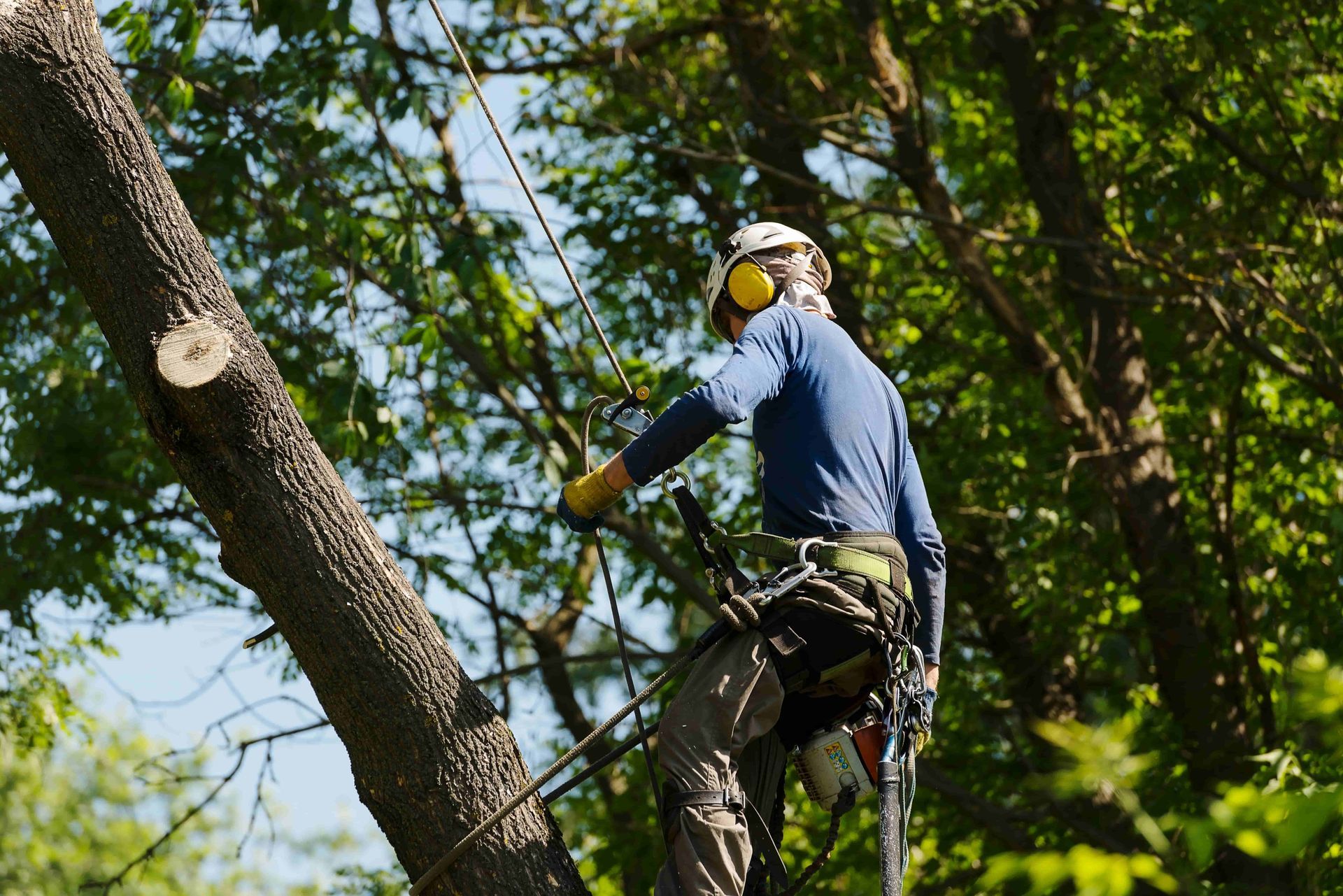
Hiring pros for tree care boosts safety & health. Save time & stress with expert pruning. Contact us for your tree needs!
June 26, 2026
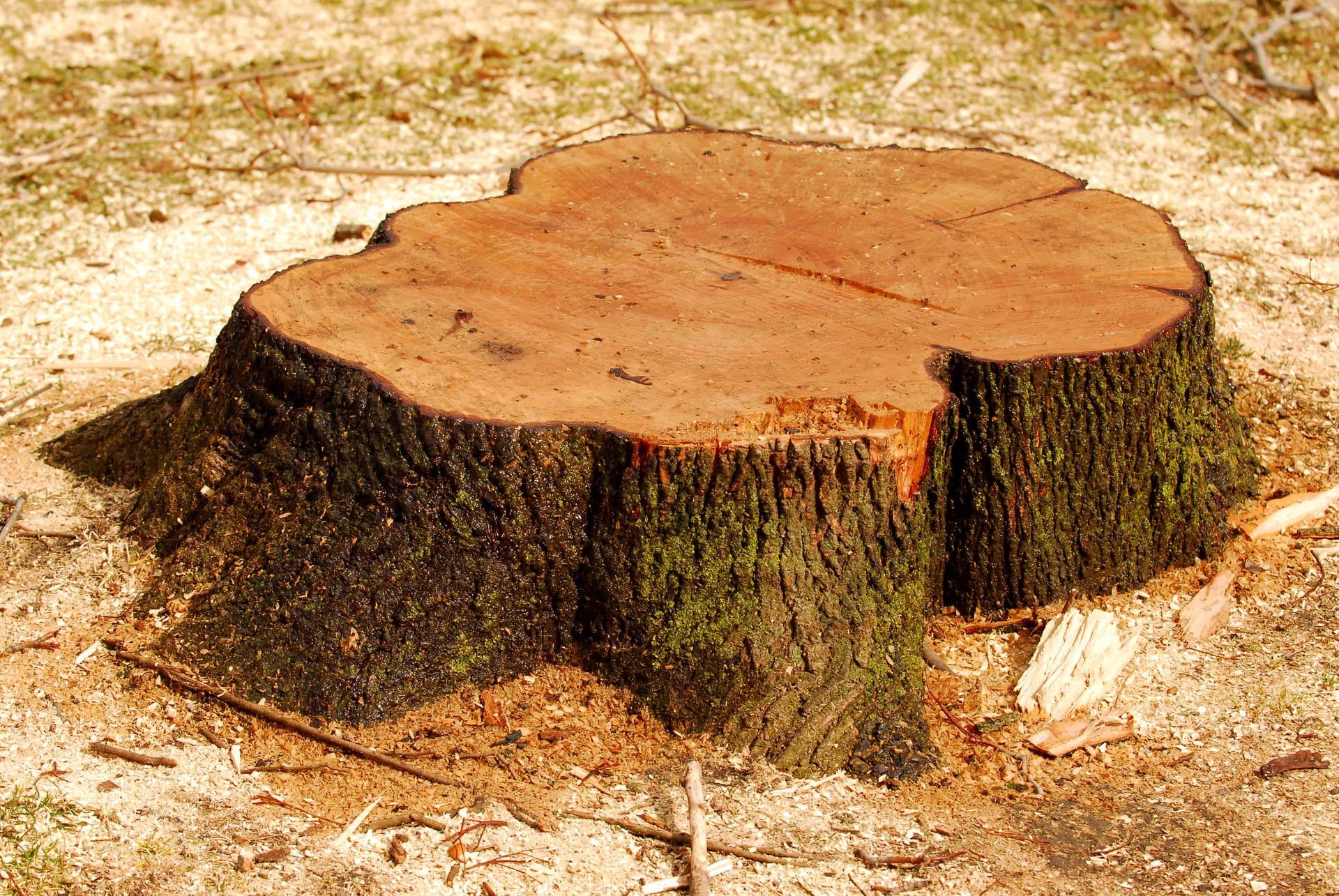
Stump grinding is key after tree removal for safety & aesthetics. Contact us for efficient, professional services today!
June 26, 2026
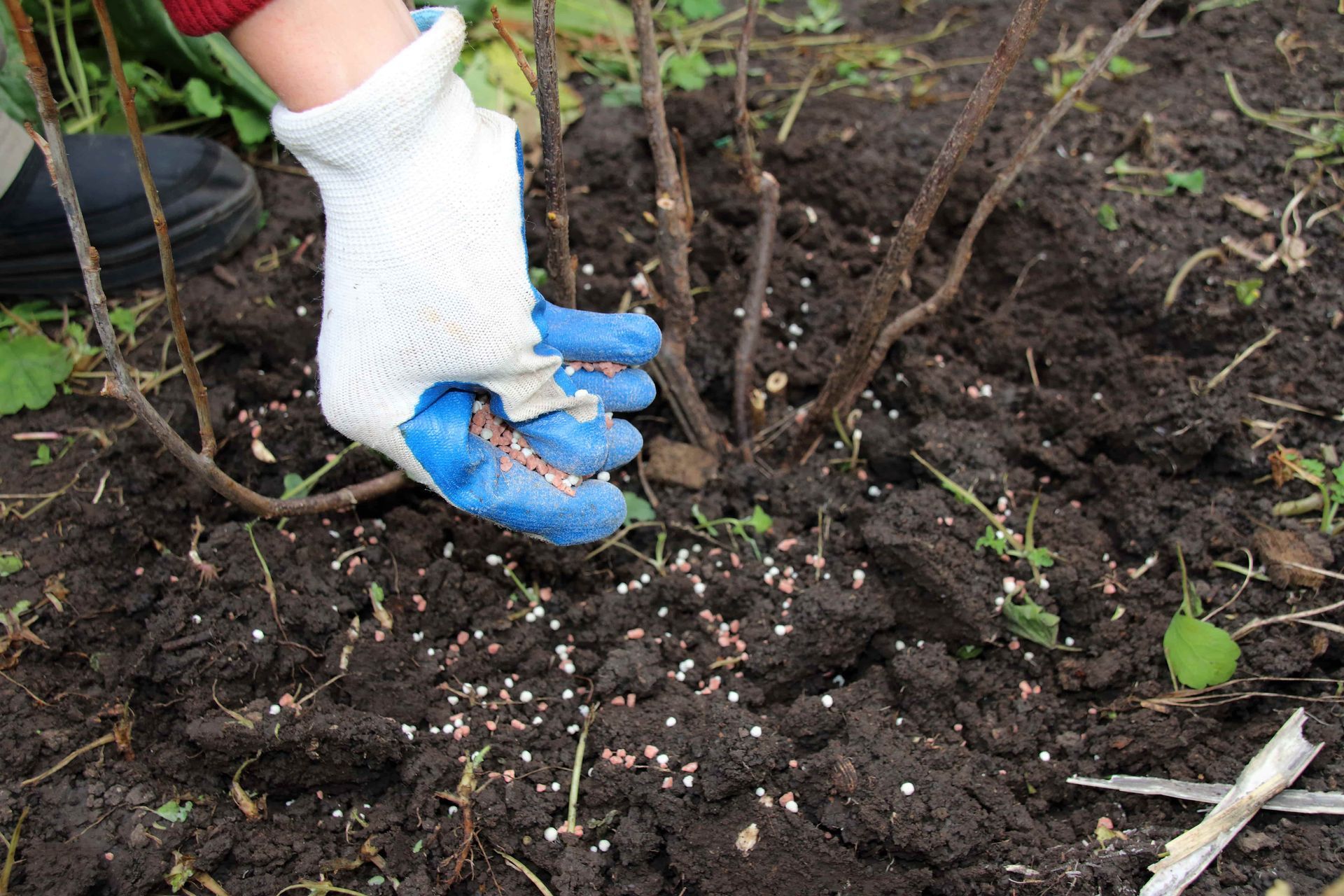
Professional tree planting ensures strong growth & health. Contact us for expert care and guidance on your trees today!

June 26, 2026
Choose the right tree service for your property. Ensure tree health & safety with expert care. Contact us for professional assistance!
June 26, 2026
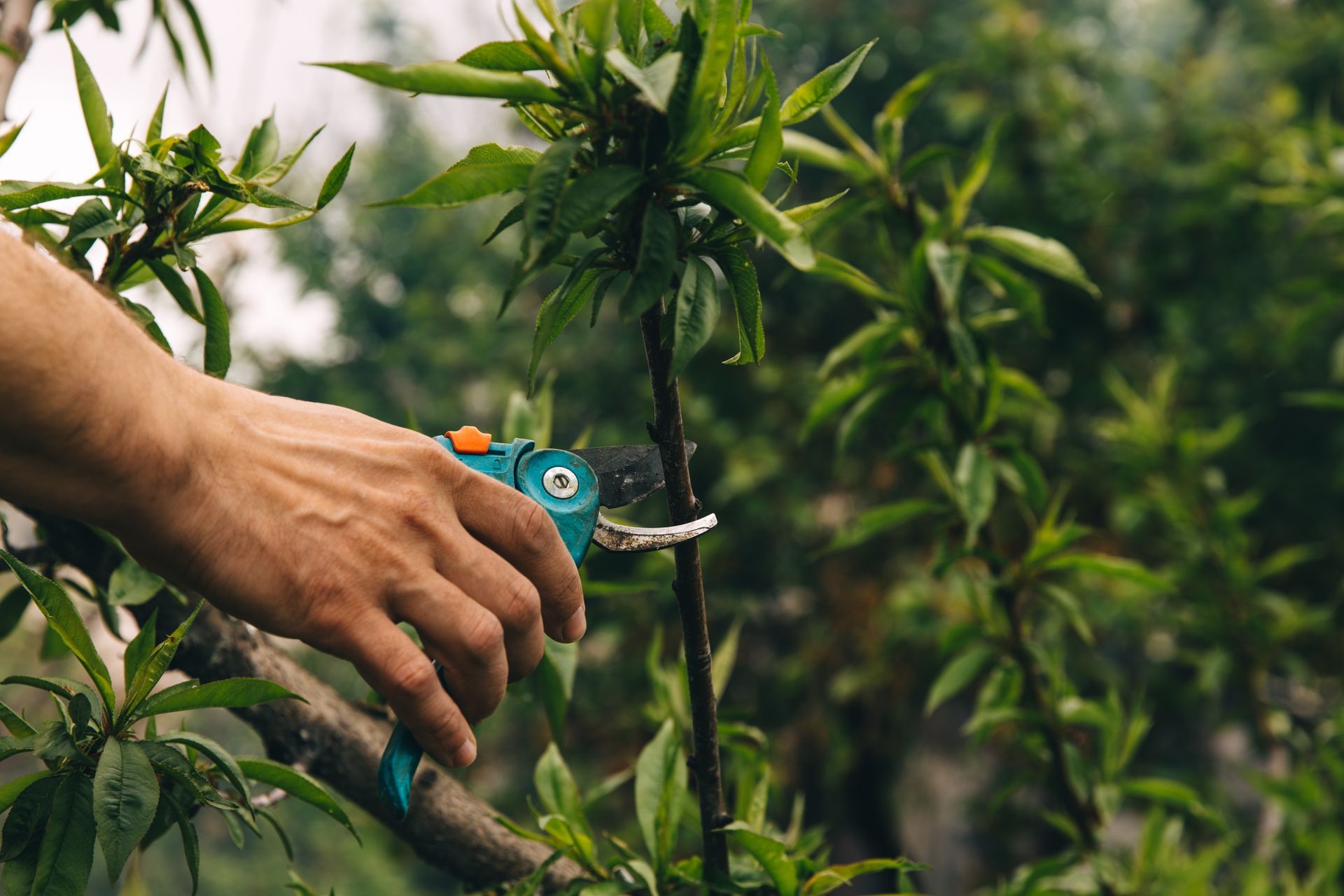
Learn essential tree trimming & pruning techniques for seasonal growth. Contact Lamb Family Tree Care for expert tree services today!

June 26, 2026
Regular tree care is vital for a healthy landscape. Trust our experts for safe & efficient tree maintenance. Contact us today!
June 26, 2026
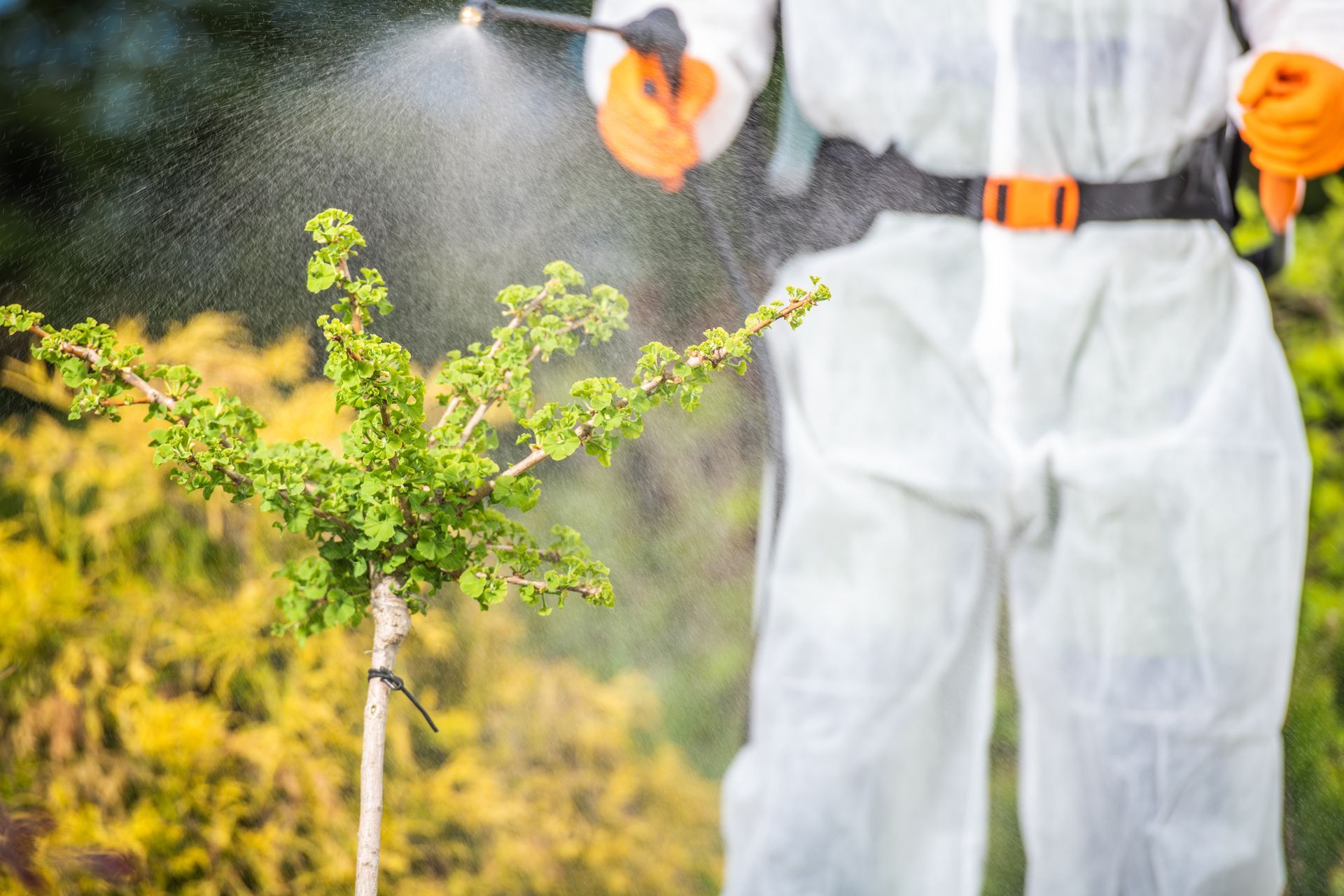
Learn how tree nutrient services boost health & longevity. Contact Lamb Family Tree Care for expert fertilization solutions!
June 26, 2026
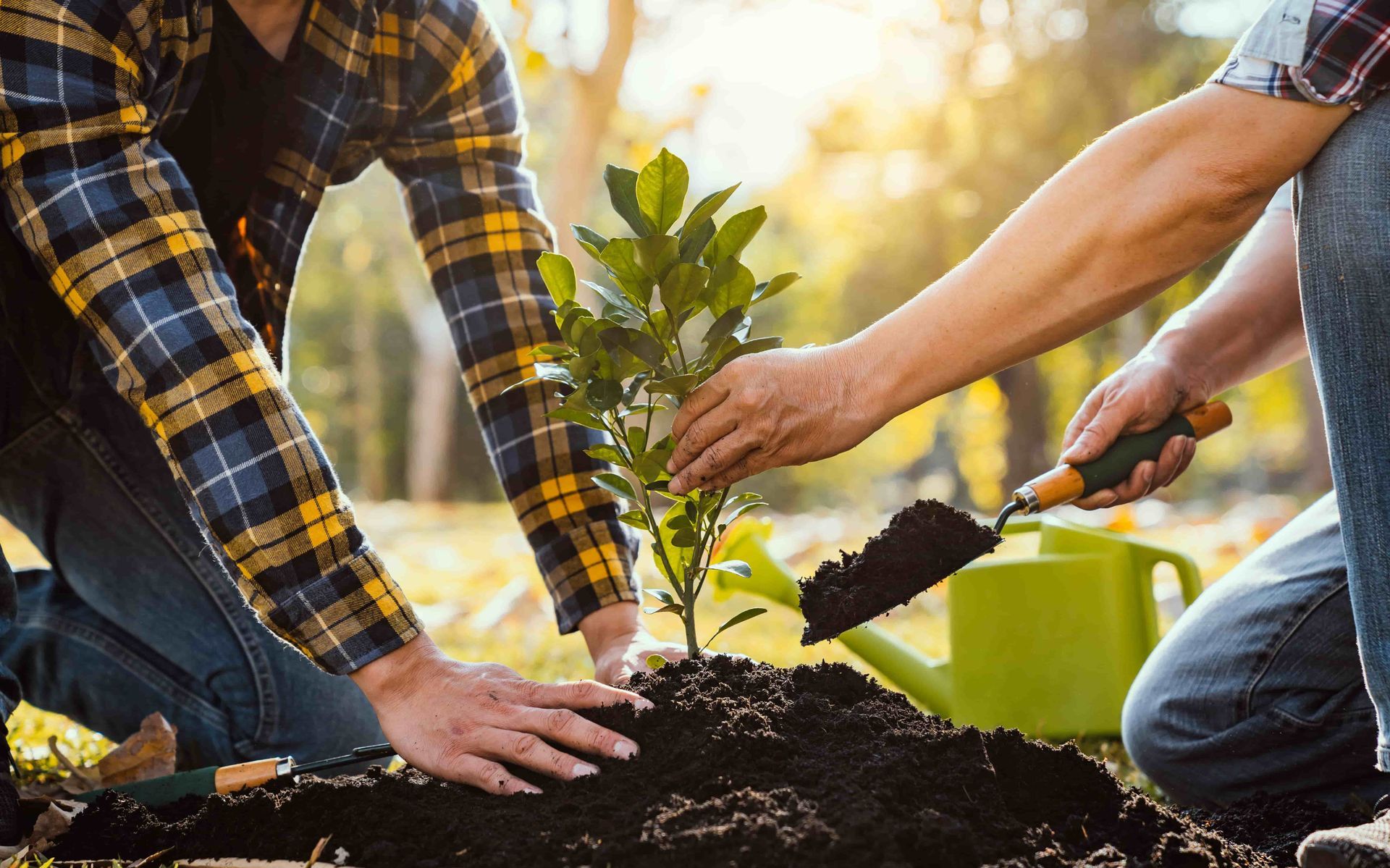
Ensure your trees thrive with expert planting & organic fertilization. Contact us for professional tree care services today!
June 26, 2026
Learn how tree removal services protect your property during storms. Contact us for expert tree care and safety solutions.
Show More